
What do “life rights” to a house mean, and do they give someone ownership or just the right to use the property? – North Carolina
Short Answer
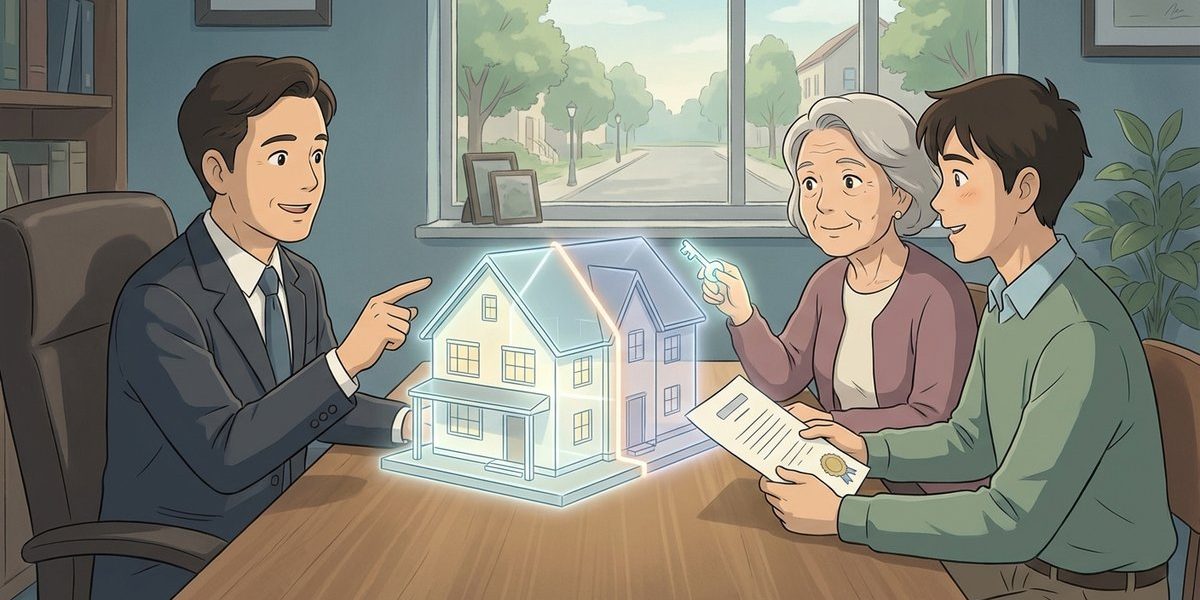
In North Carolina, “life rights” to a house usually means a life estate: the person can use and possess the home for life, but they typically do not own the property outright. Ownership is usually split into two parts: the life tenant (the person with life rights) and the remaindermen (the people who own what is left after the life tenant dies). Whether the life tenant is entitled to money from a sale depends on how the life estate was created and whether the life tenant agrees to join in a sale or a court orders a partition sale that accounts for the life estate.
Understanding the Problem
In North Carolina probate, the key question is: when a will or other document gives a non-spouse partner “life rights” to a house, does that person receive ownership of the house or only the right to live there? This question matters because it affects whether the executor and beneficiaries can sell the home during the life tenant’s lifetime, what happens to possession of the home, and whether the person with life rights can demand a percentage of the sale proceeds.
Apply the Law
Under North Carolina law, “life rights” is commonly used to describe a life estate. A life estate is a present right to possess and use the property for the duration of a person’s life. The people who take after the life estate ends hold the remainder interest (often called “remaindermen”). In an estate administration, disputes about who has what interest in the real property and whether it can be sold often end up before the Clerk of Superior Court (estate administration) and, if partition is needed, in a partition proceeding under Chapter 46A.
Key Requirements
- What “life rights” actually created: The controlling document (often the will, a deed, or a settlement agreement) must be read to confirm whether it created a true life estate, a lease/license to occupy, or something else.
- Split interests (possession vs. future ownership): A life tenant generally has the right to possess the home during life, while the remaindermen generally hold the future ownership that becomes possessory when the life estate ends.
- Sale and payout rules depend on the procedure: If the property is sold through a partition-by-sale process and the life tenant joins, North Carolina law provides a method to value and pay the life tenant’s share from sale proceeds; if the life tenant does not join, the sale generally cannot interfere with the life tenant’s possession during the life estate.
What the Statutes Say
- N.C. Gen. Stat. § 46A-79 (Partition sale of remainder or reversionary interest) – A life estate does not block a partition sale of the remainder interest, but the partition cannot interfere with the life tenant’s possession during the life estate.
- N.C. Gen. Stat. § 46A-78 (Partition sale of real property subject to a life estate) – If a life tenant joins a partition-by-sale, the court can calculate the life tenant’s value using mortality tables and pay that amount from the proceeds.
- N.C. Gen. Stat. § 29-30 (Spousal elective life estate) – In certain cases, a surviving spouse can elect a statutory life estate in real property, with specific filing requirements and deadlines; this is generally separate from “life rights” granted to a non-spouse partner.
- N.C. Gen. Stat. § 41-64 (Tenancy by the entirety survivorship) – If spouses owned property as tenants by the entirety, the surviving spouse typically takes full ownership by survivorship, and the property does not pass through the decedent’s estate.
Analysis
Apply the Rule to the Facts: Here, the will reportedly gives a non-spouse partner “life rights” to the house, while the rest of the estate goes to the executor and a sibling. That wording strongly suggests the partner may be a life tenant (right to possess/use), while the beneficiaries may hold the remainder (future ownership). If the partner is not on the deed, that does not automatically eliminate life rights created by a will, but it does make it even more important to confirm what interest was actually granted and whether it is a life estate versus a more limited right to occupy.
Apply the Rule to the Facts: A demand for a “specific percentage of the house” is not automatically consistent with a life estate. A life estate is usually measured as a right to possession for life, not a simple ownership percentage like 25% or 50%. However, if the home is sold through a procedure where the life tenant joins (or a court orders a sale that accounts for the life estate), the life tenant’s interest can be valued and paid from proceeds using court-accepted mortality tables, which can look like a payout amount rather than a deeded percentage.
Process & Timing
- Who files: Typically the personal representative (executor) for estate administration issues, and the owners of the remainder interest for partition issues. Where: The Clerk of Superior Court in the county where the estate is pending (and, for partition, in the county where the property is located). What: The starting point is usually confirming title (deed history) and reviewing the will language that created the “life rights.” When: As early as possible before listing the property, because possession and sale authority can turn on the life tenant’s rights.
- Next step: Counsel typically evaluates whether the “life rights” are (a) a true life estate, (b) a limited right to occupy conditioned on certain terms, or (c) a claim that should be handled as a creditor claim or contract dispute. If it is a life estate, counsel usually addresses whether a sale is possible only with the life tenant’s agreement, or whether a partition-by-sale of the remainder interest is the appropriate path.
- Final step: If a sale occurs with the life tenant joining in a partition-by-sale, the court can determine the value of the life tenant’s share using mortality tables and pay that amount from the proceeds, with the remainder going to the remainder owners. If the life tenant does not join and the life estate remains in place, the remainder interest may still be sold, but the life tenant’s possession generally cannot be disturbed during the life estate.
Exceptions & Pitfalls
- “Life rights” may not equal a life estate: Some wills grant a right to live in the home only while certain conditions are met (for example, paying taxes/insurance or living there as a primary residence). That can change whether a sale or buyout is required.
- Confusing possession with ownership: A life tenant can have strong rights to occupy the property without holding fee-simple ownership. A demand for a fixed “percentage” may be a negotiation position, not the legal measure of the interest.
- Overlooking survivorship ownership: If the house passed outside probate by survivorship (for example, tenancy by the entirety between spouses), the will may not control the house at all. Title must be confirmed before negotiating.
- Sale planning without addressing the life tenant: Listing the property, changing locks, or removing someone in possession without proper authority can create avoidable litigation. When a life estate exists, the life tenant’s possession is a central issue.
Conclusion
In North Carolina, “life rights” to a house usually means a life estate: the person gets the right to use and possess the property for life, while the beneficiaries typically hold the remainder interest that becomes possessory later. That arrangement usually does not give the life tenant full ownership, and it does not automatically entitle the life tenant to a fixed percentage of the house. The next step is to have counsel review the will and the deed history and then respond in writing based on the exact interest created.
Talk to a Probate Attorney
If a will gives someone “life rights” in a house and there is pressure to sell or pay a percentage, our firm has experienced attorneys who can help clarify what interest was created, what can be sold, and what timelines apply in North Carolina estate administration. Call us today at (919) 341-7055.
Disclaimer: This article provides general information about North Carolina law based on the single question stated above. It is not legal advice for your specific situation and does not create an attorney-client relationship. Laws, procedures, and local practice can change and may vary by county. If you have a deadline, act promptly and speak with a licensed North Carolina attorney.

