
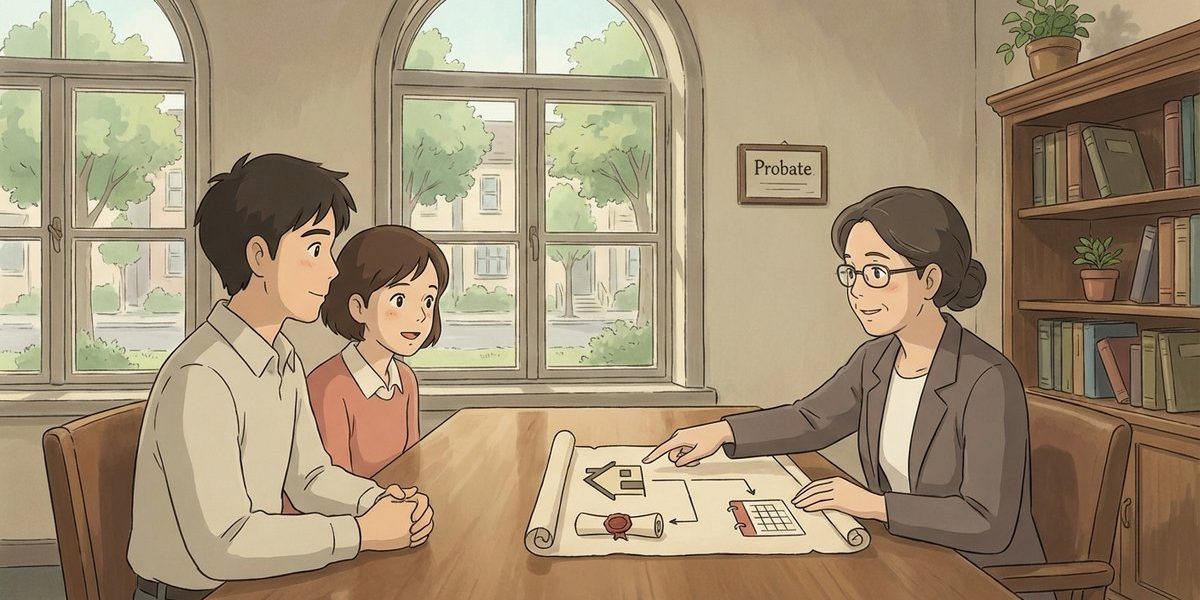
How do I figure out whether a probate case is required before recording a deed for inherited property? – North Carolina
Short Answer
In North Carolina, whether a probate case is required before recording a deed for inherited real estate usually depends on (1) whether the decedent left a will, (2) whether the property must be sold to pay debts, taxes, or expenses, and (3) whether the family expects to sell the property within two years of the death. If there is a will, the will generally must be probated to make the transfer effective against certain third parties, and probate filings may also need to be recorded in the county where the land is located.
Understanding the Problem
In North Carolina probate practice, the decision point is whether a probate case must be opened with the Clerk of Superior Court before an inherited-property deed can be recorded to transfer ownership. The question usually comes up when heirs or will beneficiaries want to move title from the deceased owner’s name into living owners’ names, or prepare for a sale or refinance. The key trigger is the owner’s death and whether the planned transfer needs a personal representative’s authority or a probated will to support the chain of title.
Apply the Law
North Carolina treats inherited real estate differently depending on whether the person died with a will (testate) or without a will (intestate), and whether estate administration is needed to handle debts and expenses. Even when a full estate administration may not be necessary, probate-related filings can still matter for title and for protecting a buyer or lender who relies on the public records. The main forum is the Clerk of Superior Court (Estates) in the county with jurisdiction over the estate, and recording issues are handled through the Register of Deeds in the county where the real property is located.
Key Requirements
- Will vs. no will: If there is a will, it generally must be probated for the will to effectively pass title in a way that protects against certain later claims and competing transfers.
- Need for administration (debts/expenses): If the real estate may need to be sold to pay valid debts, taxes, or estate expenses, a personal representative usually must qualify so the sale can follow the estate procedures.
- Timing and planned sale within two years: If heirs or beneficiaries plan to sell, lease, or mortgage the property within two years after death, probate/administration steps and timing under the will-title statute can affect whether the transaction is protected against certain purchasers, lien creditors, and estate claims.
What the Statutes Say
- N.C. Gen. Stat. § 31-39 (Probate necessary to pass title; recordation in county where real property lies) – Explains when a will must be probated to be effective to pass title and addresses filing probate records in the county where the land is located, with a key two-year timing rule for protection against certain third parties.
- N.C. Gen. Stat. § 47-18.2 (Registration of Inheritance and Estate Tax Waiver) – Addresses recordation of inheritance and estate tax waivers.
Analysis
Apply the Rule to the Facts: The facts involve families trying to transfer inherited North Carolina real property and deciding what documents and process are needed before recording a deed. Under North Carolina practice, the first check is whether the decedent left a will; if so, a will that is not probated can create title risk, especially if a buyer or lender later relies on the public record. The next check is whether the real estate must be sold to pay debts, taxes, or expenses; if yes, qualifying a personal representative and opening an estate is often the practical path. Finally, if a sale is expected within two years of death, timing under the will-title statute can affect whether the transaction is protected against certain purchasers, lien creditors, and estate claims.
Process & Timing
- Who files: Usually the named executor (if there is a will) or an interested heir (if there is no will). Where: Clerk of Superior Court (Estates) in the county with jurisdiction over the estate. What: Commonly an Application for Probate and Letters (for a will) or an Application for Letters of Administration (no will), plus supporting documents required by the Clerk. When: If there is a will and the family needs the will to support title, it should be offered for probate promptly; a key timing issue is the two-year window referenced in the will-title statute.
- Record the probate documents where the land is: If the will is probated in one North Carolina county but the real property is in another county, a certified copy of the will and the probate certificate should be recorded in the office of the Register of Deeds in the county where the real property lies, and ownership records may also need updating with the local tax office.
- Prepare the deed only after the title path is clear: Depending on the situation, the deed may be signed by the personal representative (if an estate is opened and the PR has authority) or by the heirs/beneficiaries (if title is already vested in them and no administration is needed). The Register of Deeds records the deed in the county where the property is located.
Exceptions & Pitfalls
- Assuming “no probate” because the estate is “only real estate”: In North Carolina, some estates with only real property may avoid a full administration, but a will still generally needs probate to support title, and planned sales within two years can raise timing issues under the will-title statute.
- Not addressing debts and expenses: If the property must be sold to pay debts, taxes, or expenses, transferring by heir deed without a qualified personal representative can create avoidable title and closing problems.
- County-to-county recording gaps: If probate occurs in one county but the land is in another, failing to record certified probate records in the land county can leave the public record incomplete for title search purposes.
- Relying on a death certificate alone: A death certificate often helps with practical tasks, but it usually does not replace probate filings or personal representative authority for real estate title work.
Conclusion
In North Carolina, figuring out whether probate is required before recording a deed for inherited property usually turns on three issues: whether there is a will, whether the property must be sold to pay debts or expenses, and whether a sale is expected within two years of death. If there is a will, it generally must be probated to protect the transfer of title, and certified probate records may need to be recorded in the county where the land is located. Next step: open the appropriate estate file with the Clerk of Superior Court as soon as possible if a will exists or a sale is planned within two years.
Talk to a Probate Attorney
If a family is dealing with inherited North Carolina real property and needs to know whether probate is required before recording a deed, our firm has experienced attorneys who can help explain the options, the documents that usually matter for title, and the timelines that can affect a future sale. Call us today at (919) 341-7055.
Disclaimer: This article provides general information about North Carolina law based on the single question stated above. It is not legal advice for your specific situation and does not create an attorney-client relationship. Laws, procedures, and local practice can change and may vary by county. If you have a deadline, act promptly and speak with a licensed North Carolina attorney.

