
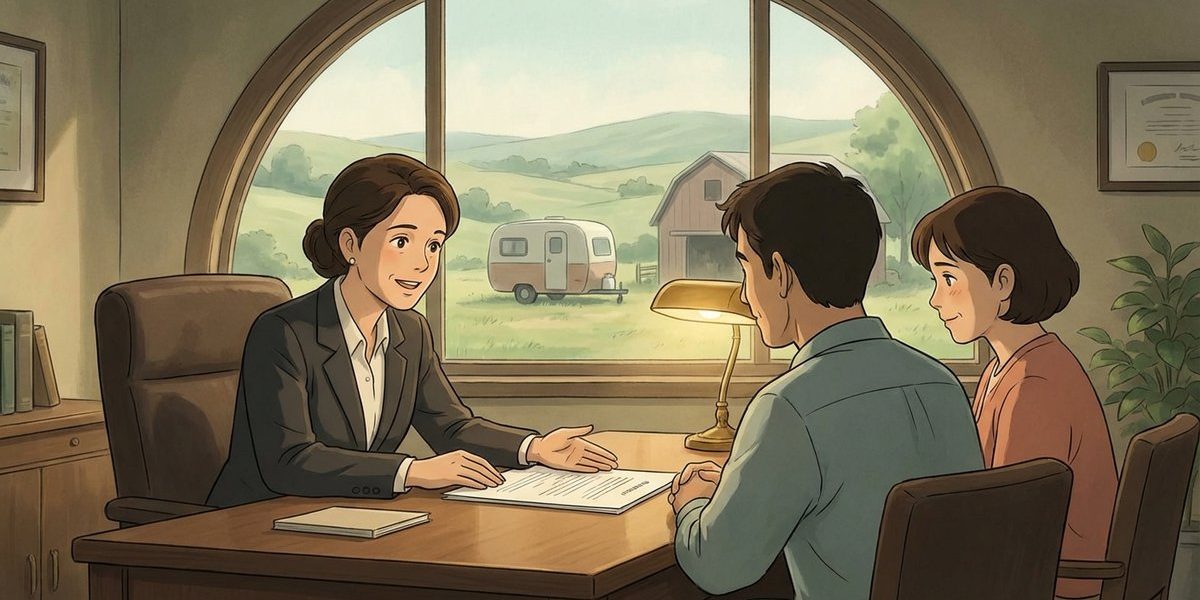
Can I keep a trailer from the estate, and do I need court approval or extra paperwork to do that? – North Carolina
Short Answer
In North Carolina, a personal representative can usually distribute estate property (including a trailer) to an heir or beneficiary as part of the administration, but the personal representative must follow the will (if any), the intestacy rules (if no will), and the estate’s creditor-payment rules. Court approval is not always required for every distribution, but the Clerk of Superior Court can require documentation, and the personal representative should create clear paperwork showing the trailer was properly distributed. If the trailer is titled or registered, extra title-transfer steps may apply through the DMV or other title system.
Understanding the Problem
In North Carolina probate, the key question is whether a personal representative administering a parent’s estate can take a specific item (a small trailer) as part of the distribution, and whether the Clerk of Superior Court must approve that transfer or require additional paperwork. The decision point is whether the trailer can be treated as a proper estate distribution to the personal representative in an individual capacity (as an heir or beneficiary), rather than an improper “self-dealing” transfer. Timing often matters because distributions typically occur after identifying heirs/beneficiaries, valuing property, and addressing known debts and claims.
Apply the Law
North Carolina’s Clerk of Superior Court has original jurisdiction over probate and estate administration, and the personal representative acts under the authority of the Clerk’s letters. In general, estate property must be handled as estate property first, and then distributed to the correct people under the will or under intestacy. When the personal representative wants to keep an item, the safest approach is to treat it as a documented distribution (or purchase) at a fair value, with a paper trail that can be shown in the estate accounting if the Clerk requests it.
Key Requirements
- Authority to act for the estate: The personal representative must be properly appointed and use the letters issued by the Clerk of Superior Court when transferring or signing for estate assets.
- Right to receive the trailer: The trailer must go to the correct person under the will, or to the correct heir(s) if there is no will. If multiple people share the right to the trailer, their written agreement is often needed if one person keeps it.
- Proper documentation and accounting: The transfer should be reflected in estate records (inventory/accounting) with a reasonable value and a clear description of whether it was a distribution in kind or a buyout, so the estate can show fair treatment of all interested persons and creditors.
What the Statutes Say
- N.C. Gen. Stat. § 7A-241 (Probate jurisdiction) – Gives the Clerk of Superior Court authority over probate and estate administration in North Carolina.
- N.C. Gen. Stat. § 31-39 (Probate needed to pass title; timing limits) – Explains when probate affects the ability to pass title to property under a will and includes timing rules that can matter for title issues.
- N.C. Gen. Stat. § 30-19 (Property awarded to surviving spouse and children) – Provides that the Clerk determines certain personal property awards to a surviving spouse and children in the proper county, which can affect what property is available for distribution in the estate.
Analysis
Apply the Rule to the Facts: The estate has vehicles titled solely in the decedent’s name, and the personal representative has the titles, death certificate, and letters authorizing action. Keeping the small trailer can be allowed if the personal representative is also the person entitled to receive it under the will or intestacy, and if the transfer is documented as an estate distribution (or a buyout) at a reasonable value. Because the personal representative is on both sides of the transaction (estate fiduciary and individual recipient), the paperwork and accounting should be clean enough to show the Clerk and other heirs that the distribution was proper and not preferential.
Process & Timing
- Who files: The personal representative. Where: The Estates Division of the Clerk of Superior Court in the county where the estate is being administered in North Carolina. What: No single universal “keep the trailer” form applies statewide; the usual documentation is handled through the estate inventory/accountings and supporting receipts or agreements. When: Typically after the personal representative identifies the heirs/beneficiaries and the estate’s debts and expenses are addressed enough to make a safe distribution.
- Document the transfer: Create a written record showing (a) the trailer description (VIN/serial number if any), (b) the value used, and (c) whether it is a distribution in kind to a beneficiary/heir or a purchase from the estate with the proceeds going into the estate account. If other heirs share the trailer’s value, a written consent or a written distribution agreement helps avoid disputes.
- Handle title/registration if applicable: If the trailer is titled/registered, complete the title transfer consistent with the applicable title system. For DMV-titled assets, the DMV commonly requires proof of authority (letters) and a death certificate when a personal representative signs to transfer a decedent’s titled property. Requirements can vary depending on whether the estate is under full administration versus a small-estate shortcut.
Exceptions & Pitfalls
- Other people may have priority rights to certain personal property: A surviving spouse or eligible children may have statutory rights to certain personal property awards determined through the Clerk, which can reduce what is available to distribute in the estate.
- Self-dealing without documentation: Simply taking the trailer without valuing it and showing it on the accounting can trigger objections from heirs or questions from the Clerk. A short written distribution agreement and a clear accounting entry often prevent problems.
- Title/registration mismatch: Some “small” trailers are not titled, while others are. If a title exists, the transfer usually needs proper assignment and supporting documents. If there is a lien, the lienholder’s rights generally continue and must be addressed before a clean transfer can occur.
- Using the wrong shortcut procedure: North Carolina has simplified transfer methods for certain motor vehicles in limited small-estate situations, but those methods generally depend on no personal representative qualifying (or being expected to qualify) and other conditions. When a personal representative has already qualified, the transfer path typically runs through the personal representative’s authority and the estate accounting.
Conclusion
In North Carolina, a personal representative can often keep a trailer from an estate as a documented distribution (or a buyout) if the personal representative is entitled to it under the will or intestacy and the estate’s creditor and allowance issues are handled. Court approval is not required for every distribution, but the Clerk of Superior Court can require clear records. The most important next step is to document the trailer’s value and transfer in the estate accounting and supporting paperwork before the final account is filed.
Talk to a Probate Attorney
If a personal representative is trying to keep a trailer or other property from a North Carolina estate, small paperwork choices can prevent later objections and delays with the Clerk or title transfer. Our firm has experienced attorneys who can help explain options and timelines. Call us today at (919) 341-7055.
Disclaimer: This article provides general information about North Carolina law based on the single question stated above. It is not legal advice for your specific situation and does not create an attorney-client relationship. Laws, procedures, and local practice can change and may vary by county. If you have a deadline, act promptly and speak with a licensed North Carolina attorney.

