
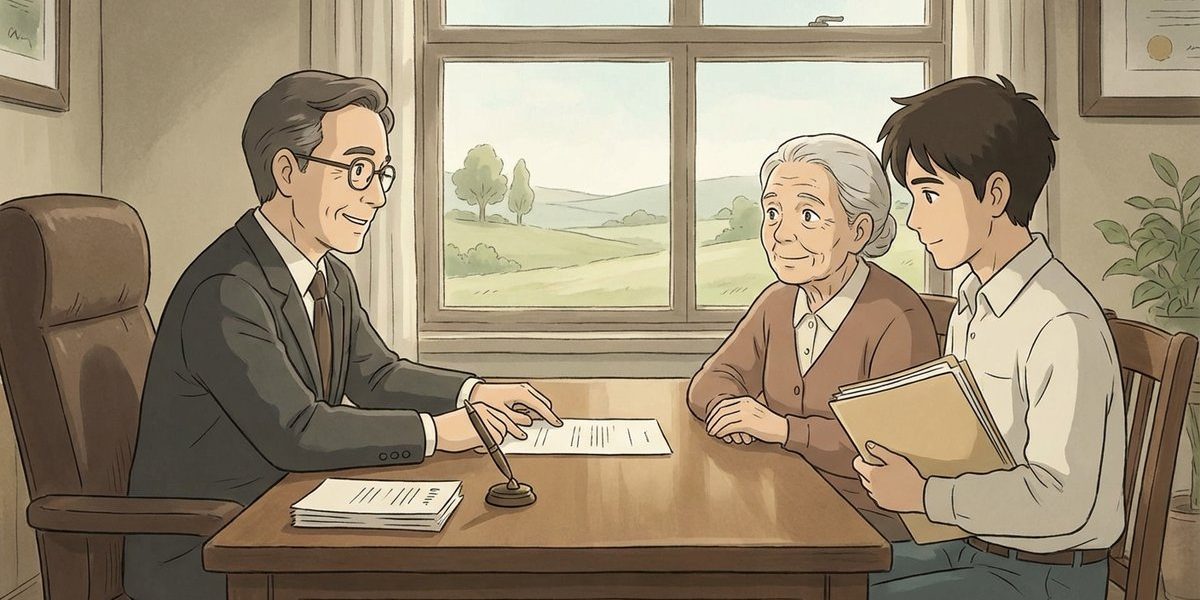
What should I bring to my first appointment with the probate clerk? – North Carolina
Short Answer
For a first appointment with the probate clerk in North Carolina, bring the original will (if one exists), a certified death certificate or other acceptable proof of death, and reliable contact information for heirs and beneficiaries. Also bring basic information about the decedent’s assets and debts, plus a government-issued photo ID for the person who plans to qualify as the personal representative. If no estate has been opened yet, these items help the clerk’s office start the file and determine what forms and steps apply.
Understanding the Problem
What should an interested person bring to the Clerk of Superior Court in North Carolina when no probate estate has been opened yet and an appointment is scheduled to start the process? The focus is the initial intake for opening an estate and, when appropriate, qualifying a personal representative so the estate can be administered through the clerk’s probate division.
Apply the Law
In North Carolina, the Clerk of Superior Court (and assistant clerks acting for the clerk) handles most estate administration matters and issues the paperwork that appoints a personal representative. To open an estate and qualify a personal representative, the clerk’s office typically needs documents that (1) prove the death, (2) show whether there is a will, (3) identify the correct county for filing, and (4) provide enough information to complete the required court forms and determine whether a bond is needed.
Key Requirements
- Proof of death: A certified death certificate is commonly used, but the clerk may accept other evidence of death depending on what is available.
- Proof of authority (will or intestacy information): The original will (if any) and basic heir/beneficiary information help the clerk determine who can serve and what notices must go out.
- Information needed to complete qualification paperwork: The person seeking appointment should be prepared to provide identifying information, addresses for required notices, and a preliminary picture of the estate’s assets and debts.
What the Statutes Say
- N.C. Gen. Stat. § 1-301.3 (Clerk decides estate matters; appeal timing) – Confirms the clerk’s role in deciding many estate administration issues and sets a 10-day appeal window for certain clerk orders.
- N.C. Gen. Stat. § 31-39 (Probate needed to protect title; two-year limitation) – Explains why timely probate matters, including a two-year limitation that can affect protection against certain purchasers for value.
- N.C. Gen. Stat. § 30-20 (Year’s allowance procedure) – Describes how the clerk addresses certain allowance requests during estate administration and when a hearing or contested proceeding may be required.
Analysis
Apply the Rule to the Facts: Here, an interested person called the probate division in North Carolina and confirmed no estate record is open for the decedent. That usually means the first appointment is about starting the estate file and, if appropriate, qualifying a personal representative. Bringing proof of death, the original will (if any), and accurate heir/beneficiary contact information helps the clerk’s office prepare or accept the initial application and issue letters when the requirements are met.
Process & Timing
- Who files: Usually a nominated executor (if there is a will) or an interested person seeking appointment as administrator. Where: The Estates/Probate division of the Clerk of Superior Court in the North Carolina county that has proper venue (often where the decedent lived at death). What: Commonly an application to open the estate and request letters (the clerk may provide the form number and local instructions). When: As soon as practical after death, especially if assets need to be accessed or bills must be handled.
- Clerk review and qualification steps: The clerk (or an assistant clerk) reviews the paperwork, determines whether the will can be admitted to probate (if applicable), and addresses qualification items such as an oath and any bond requirement. Some counties allow the oath to be completed before a notary instead of in front of the clerk, but local practice can vary.
- Letters issued and notices: If approved, the clerk issues letters (letters testamentary or letters of administration) showing the personal representative’s authority. The personal representative is then responsible for giving required notices in many cases, and the file proceeds into the normal administration steps (inventory, accountings, and closing requirements).
Exceptions & Pitfalls
- Not bringing the original will: A copy may not be enough for routine probate. If an original cannot be found, the clerk may require additional steps before the estate can move forward.
- Incomplete heir/beneficiary addresses: Missing addresses can delay required notices and slow qualification.
- Going to the wrong county: Venue is usually tied to where the decedent lived at death. Filing in the wrong county can cause delays and extra filings.
- Arriving without basic asset/debt information: The initial application often asks for the nature and estimated value of property. A rough list (accounts, vehicles, real estate, debts) helps avoid continuances and repeat trips.
- Expecting legal advice from the clerk’s office: The clerk’s office can provide forms and procedural information, but it cannot advise on strategy, disputes, or how to interpret a will.
Conclusion
For a first probate appointment in North Carolina when no estate has been opened, the most helpful items are proof of death, the original will (if any), and complete contact information for heirs and beneficiaries, plus a preliminary list of assets and debts and a photo ID for the proposed personal representative. These items support the clerk’s intake process and the paperwork needed to issue letters. A key timing issue is that delaying probate of a will can create title risks, so the next step is to file the initial application with the Clerk of Superior Court promptly.
Talk to a Probate Attorney
If an estate has not been opened yet and the probate clerk appointment is coming up, an attorney can help gather the right documents, confirm the correct county, and prepare the qualification paperwork so the process moves smoothly. Call us today at (919) 341-7055.
Disclaimer: This article provides general information about North Carolina law based on the single question stated above. It is not legal advice for your specific situation and does not create an attorney-client relationship. Laws, procedures, and local practice can change and may vary by county. If you have a deadline, act promptly and speak with a licensed North Carolina attorney.

