
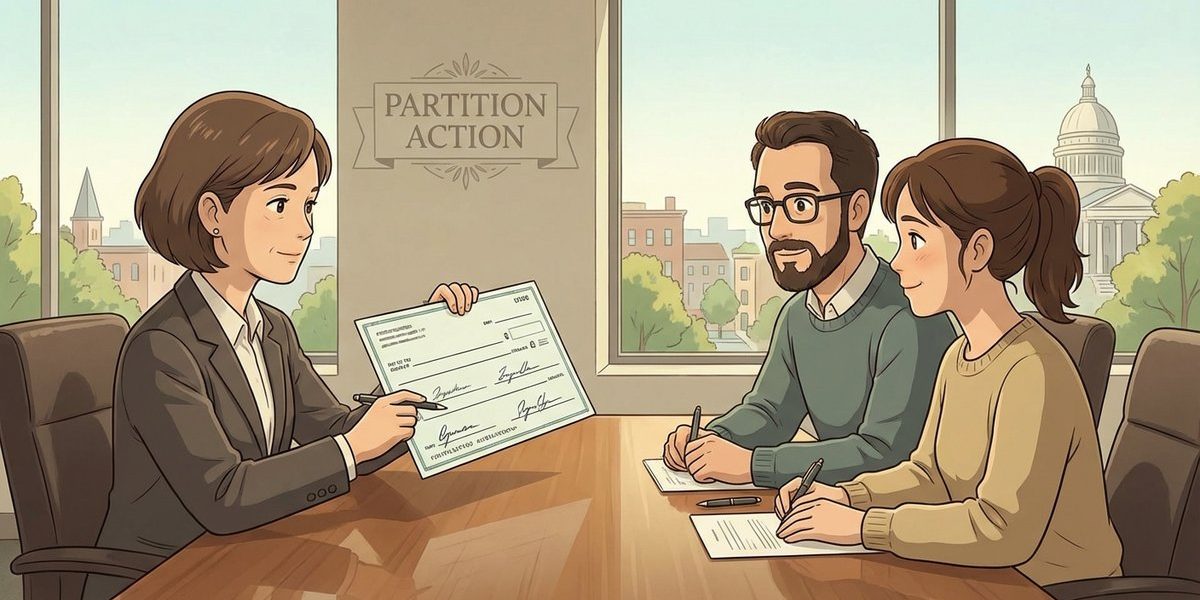
Why would an insurance proceeds check for a co-owned house be made payable to multiple people and the mortgage company, and who has to endorse it? – North Carolina
Short Answer
In North Carolina, an insurance company often makes a property-damage proceeds check payable to all owners and the mortgage (or deed of trust) lender because each has a financial interest in the home and the lender typically has rights under the loan documents to control how insurance money is used. In most cases, every named payee must endorse the check before it can be deposited or negotiated, which is why a multi-payee check can stall repairs, a sale, or buyout talks. When a lender is listed, the lender usually requires its own endorsement process and may require proof the funds will be used for repairs or to protect the lender’s collateral.
Understanding the Problem
In North Carolina, can an insurance company issue a property-damage proceeds check for a co-owned house in multiple names (including the mortgage company), and if so, who must endorse the check before the money can be used for repairs or other purposes while co-owners are negotiating next steps?
Apply the Law
When a home is co-owned, more than one person may have a legal or contractual stake in insurance proceeds tied to damage to that home. North Carolina law also recognizes that insurance proceeds can follow the ownership interests in the property, and lenders commonly require involvement because the home is their collateral. As a practical matter, the forum that controls the “how do we cash this check” question is usually the bank’s deposit rules plus the lender’s loss-draft process, and if co-owners cannot agree, the dispute often ends up in a partition case in Superior Court where lienholders can be joined and proceeds can be handled under court supervision.
Key Requirements
- All listed payees have a stake: If the check names multiple people and a lender, the insurer is signaling that each named party has an interest that must be protected before the funds move.
- Endorsement usually must match the payee line: A multi-payee check typically cannot be negotiated unless each named payee endorses it (or signs whatever the bank/lender requires to release funds).
- Lender involvement is common when there is a mortgage/deed of trust: If a lender is named, the lender often controls release of funds through a “loss draft” process to make sure repairs are completed or the lender’s balance is protected.
What the Statutes Say
- N.C. Gen. Stat. § 41-62 (Insurance coverage and character of proceeds) – Explains how insurance proceeds are treated when property is held as tenants by the entirety and supports the idea that proceeds can be tied to the ownership estate rather than only the named insured.
- N.C. Gen. Stat. § 46A-21 (Joinder of interested persons) – Permits joining persons with an interest in the property in a partition proceeding, including mortgage or deed of trust holders.
Analysis
Apply the Rule to the Facts: Here, the house is co-owned and there is unresolved property damage that may need repairs before the property can be sold or rented. A reissued insurance check naming multiple payees (including a lender) is consistent with the insurer trying to avoid paying the “wrong” person when multiple owners and a secured lender may have rights in the proceeds. Because the check names multiple payees, endorsements from each named person (and the lender’s endorsement/release process) commonly become the bottleneck, especially when a buyout is being negotiated and the co-owners do not agree on whether the money should fund repairs or reduce the mortgage balance.
Process & Timing
- Who signs: Each person or entity listed as a payee. Where: Typically through the bank handling the deposit and the lender’s insurance-claims or loss-draft department (not the local branch). What: The lender often requires a loss-draft packet (claim letter, contractor estimate, photos, and sometimes a signed agreement about repairs). When: As soon as the check is issued, because delays can affect repair scheduling and any planned sale or rental timeline.
- Lender review and conditional release: If the lender is a payee, it may place the funds in a restricted account and release money in stages as repairs progress, or it may require the funds be applied to the loan if repairs will not be completed.
- If co-owners cannot agree: A partition proceeding in Superior Court can bring all cotenants and lienholders into one case so the court can address how the property is handled and how interests are protected while the ownership dispute is resolved.
Exceptions & Pitfalls
- Payee wording can change the endorsement rule: A check payable to “A and B” is typically treated differently than “A or B.” Many banks treat “and” as requiring both signatures, and lenders often require their own endorsement regardless.
- Loan documents can control the lender’s role: Even if co-owners agree, the deed of trust and insurance provisions may require the lender to approve how proceeds are used, especially if the damage affects the lender’s collateral.
- Repair vs. payoff disputes can escalate quickly: One co-owner may want repairs to preserve value for sale or rent, while the other may want proceeds applied to the mortgage during buyout negotiations. Without a written agreement, the multi-payee check can become leverage and stall progress.
- Do not try to “work around” endorsements: Attempting to deposit without all required endorsements, or signing for another payee without authority, can create bank rejections and potential civil or criminal exposure.
- Partition cases require joining interested parties: If a court case becomes necessary, lienholders can be proper parties, and failing to account for them can complicate any court-ordered sale or distribution.
Conclusion
In North Carolina, an insurance proceeds check for damage to a co-owned house is often made payable to all owners and the mortgage company because each has an interest that the insurer and lender want protected. In most situations, every named payee must endorse the check, and a lender-payee usually triggers a separate loss-draft process before funds can be used for repairs or applied to the loan. The most practical next step is to submit the lender’s loss-draft paperwork promptly so the lender can endorse or release the funds.
Talk to a Partition Action Attorney
If a co-owned property claim check is delaying repairs, a sale, or buyout negotiations, our firm has experienced attorneys who can help explain options and timelines under North Carolina law. Call us today at (919) 341-7055.
Disclaimer: This article provides general information about North Carolina law based on the single question stated above. It is not legal advice for your specific situation and does not create an attorney-client relationship. Laws, procedures, and local practice can change and may vary by county. If you have a deadline, act promptly and speak with a licensed North Carolina attorney.

