
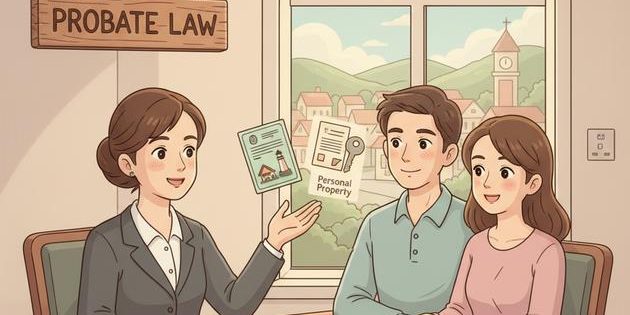
Is a timeshare ownership interest treated as real property or personal property for probate purposes? – North Carolina
Short Answer
In North Carolina, it depends on what type of timeshare the deceased owned. A timeshare estate is treated as an interest in real estate, while a timeshare use is treated as personal property. For probate administration, the estate representative usually confirms the type by checking whether there is a recorded timeshare deed or other recorded “timeshare instrument” in the county Register of Deeds records.
Understanding the Problem
In North Carolina probate administration, the key question is whether a deceased person’s timeshare ownership is treated like real property (land-related title) or personal property (contract or membership-type rights). The estate representative often needs to confirm whether the ownership was created and transferred by a deed-like document and whether the interest is recorded in county land records. That classification affects which office records may control and how the interest can be transferred during administration.
Apply the Law
North Carolina law separates timeshare ownership into two basic categories. A timeshare estate is treated as an interest in real estate and follows real property rules, including recordation in land records. A timeshare use is not an interest in real property and is treated as personal property under North Carolina law; documents for a timeshare use are not recorded in the Register of Deeds land records. In probate, that distinction helps determine what type of asset the decedent owned and what paperwork is needed to transfer it.
Key Requirements
- Identify the type of interest: Determine whether the decedent owned a timeshare estate (real estate interest) or a timeshare use (personal property interest).
- Confirm recordation (if a timeshare estate): A timeshare estate is typically evidenced by a recordable “timeshare instrument” that can appear in county land records.
- Match the probate transfer approach to the classification: Real-property treatment generally points to land-record documentation and title considerations; personal-property treatment generally points to assignment/transfer documentation and the program’s ownership records.
What the Statutes Say
- N.C. Gen. Stat. § 93A-42 (Timeshare estates deemed real estate; timeshare uses) – Treats a timeshare estate as an interest in real estate and treats a timeshare use as personal property; also addresses recordation rules for each.
- N.C. Gen. Stat. § 31-39 (Probate necessary to pass title; recordation in county where real property lies) – Explains that probate can be necessary to pass title and includes special filing/recordation rules when real property is involved.
Analysis
Apply the Rule to the Facts: The deceased owned a timeshare and the estate administration team needs to determine whether the interest is deeded and whether it is treated as real property or personal property for probate purposes. Under North Carolina law, if the ownership is a timeshare estate, it is treated as real estate and is commonly supported by a recorded timeshare instrument in county land records. If the ownership is a timeshare use, it is treated as personal property and would not be recorded in the Register of Deeds land records, so the controlling ownership documentation is typically held by the program or managing entity.
Process & Timing
- Who checks: The estate representative (or counsel/assistant). Where: The Register of Deeds in the North Carolina county where the timeshare is located (for a timeshare estate), and the timeshare program’s managing entity records (for either type). What: Search for a recorded “timeshare instrument” (often a deed or deed-like instrument) and confirm the named owner and how title is held. When: Early in the probate administration, before preparing transfer documents or listing the asset for sale.
- Classify the asset: If a recordable instrument exists and reflects a timeshare estate, treat it as real property for probate planning and title steps. If there is no recordable land-record instrument and the documents describe a right-to-use or membership, treat it as personal property under the timeshare statute.
- Prepare the transfer approach: For a timeshare estate, treat the transfer like a real-property interest and coordinate with the county land records and any probate filings needed to support the chain of title. For a timeshare use, coordinate the transfer with the program’s requirements and the estate’s authority documentation.
Exceptions & Pitfalls
- Assuming every “timeshare” is deeded: In North Carolina, a timeshare may be either a timeshare estate (real estate) or a timeshare use (personal property). Treating a timeshare use like deeded real estate can waste time and lead to rejected recording attempts.
- Looking in the wrong records: A timeshare use instrument generally is not recorded in the Register of Deeds land records, so the absence of a deed recording does not always mean the decedent had no interest.
- Ignoring probate/title timing issues: When the interest is treated as real property, delays in probate and related filings can create title complications for later transfers, especially if heirs attempt to convey before the estate administration is properly handled.
Conclusion
In North Carolina, a timeshare ownership interest can be treated as real property or personal property depending on its legal form. A timeshare estate is an interest in real estate, while a timeshare use is personal property. The practical next step is to confirm the classification by searching for a recorded timeshare instrument in the county Register of Deeds (and, if none exists, obtain the program documents), and to move forward promptly because a two-year probate-related limitation can affect later transfers involving real property.
Talk to a Probate Attorney
If a North Carolina estate includes a timeshare and the administration team needs to confirm whether it is deeded and how it should be handled in probate, our firm has experienced attorneys who can help clarify the classification and the paperwork needed to transfer it. Call us today at (919) 341-7055.
Disclaimer: This article provides general information about North Carolina law based on the single question stated above. It is not legal advice for your specific situation and does not create an attorney-client relationship. Laws, procedures, and local practice can change and may vary by county. If you have a deadline, act promptly and speak with a licensed North Carolina attorney.

