
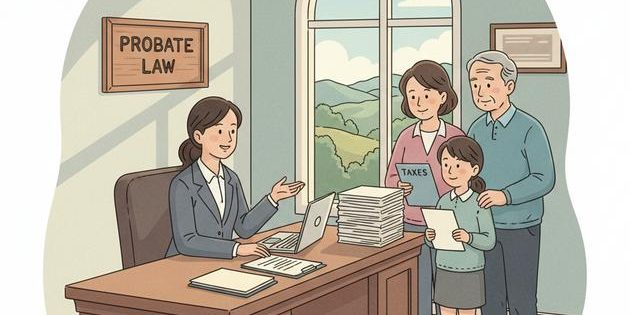
What happens if the deceased had not filed taxes for several years, and who handles those filings during probate? – North Carolina
Short Answer
In North Carolina, unfiled tax returns do not disappear at death. The estate’s personal representative (executor or administrator) generally becomes responsible for getting the decedent’s past-due final individual returns filed and for filing any required estate (fiduciary) income tax returns during administration. Probate often cannot be properly closed until required taxes are addressed, so the personal representative usually works with an accountant and probate attorney to gather records, file late returns, and pay taxes from estate assets.
Understanding the Problem
In a North Carolina probate case, what happens if a decedent did not file income taxes for several years, and who must handle those filings once a personal representative is appointed by the Clerk of Superior Court? The decision point is whether the estate’s personal representative must step in to file the missing returns (and deal with any resulting taxes, interest, or penalties) before distributing assets and closing the estate.
Apply the Law
Under North Carolina law, when a person dies owing unfiled income tax returns, the responsibility to file generally shifts to the estate’s personal representative acting on behalf of the decedent and the estate. Two separate categories often matter: (1) the decedent’s individual income tax returns for years before death (including the “final” year-of-death return), and (2) the estate’s own fiduciary income tax returns for income received during administration. As a practical matter in North Carolina probate, the Clerk of Superior Court typically will not approve a final accounting and close the estate unless required taxes are paid or otherwise secured for payment.
Key Requirements
- Identify which returns are missing: Determine which years the decedent should have filed individual federal and North Carolina income tax returns, plus whether any fiduciary (estate) income tax returns are required during administration.
- File the decedent’s required individual returns through the date of death: If the decedent was required to file and did not, the personal representative typically files those late returns in the decedent’s name and pays any tax from estate funds.
- File the estate’s fiduciary returns if required: During administration, the estate is a separate taxpayer for income earned after death; if filing thresholds are met, fiduciary returns are usually required.
What the Statutes Say
- N.C. Gen. Stat. § 105-153.8 (Income tax returns; taxpayer deceased) – If an individual required to file died before making the return, the executor or administrator must file the return, and the tax is payable by the estate.
- N.C. Gen. Stat. § 105-160.5 (Fiduciary returns for estates and trusts) – A fiduciary must file a North Carolina fiduciary income tax return when the estate is required to file a federal fiduciary return (and other state-law conditions are met).
- N.C. Gen. Stat. § 105-241.7 (Taxpayer remedies; jeopardy assessment and collection not applicable here) – North Carolina law does not use N.C. Gen. Stat. § 105-240 as the current citation for this point; the practical probate point is that taxes generally must be addressed before estate closing.
Analysis
Apply the Rule to the Facts: The estate appears modest, but several years of unfiled taxes can still delay administration because the personal representative generally must identify which years are missing and arrange for the returns to be prepared and filed. Because the executor is out of state, probate will also involve qualifying with the Clerk of Superior Court and meeting North Carolina requirements such as bond and a resident process agent if required; once appointed, the executor typically coordinates the tax catch-up work and signs/authorizes filings. If there are unknown accounts, the prior banking records become key to reconstruct income, confirm whether filing thresholds were met, and decide which returns are needed.
Process & Timing
- Who files: The personal representative (executor/administrator), usually through an accountant. Where: Probate opens with the Clerk of Superior Court in the county where the estate is administered; tax returns are filed with the IRS and the North Carolina Department of Revenue. What: Late individual income tax returns for the decedent; and, if required, fiduciary income tax returns for the estate (commonly IRS Form 1041 and North Carolina fiduciary return). When: As soon as practical after appointment, because distributions and estate closing can be delayed until taxes are resolved.
- Gather records and confirm filing years: Collect prior returns (if any), W-2/1099s, brokerage statements, bank records, and property-related documents. If accounts may exist out of state or internationally, the personal representative typically investigates through mail, records, and financial institutions’ estate procedures.
- File, pay, and document clearance for closing: After filing the late returns, the personal representative pays what is due from estate funds if the estate has assets. The personal representative keeps proof of filing/payment and uses that documentation when preparing the estate’s accountings for the Clerk of Superior Court, because the estate often cannot close until taxes are paid or adequately secured.
Exceptions & Pitfalls
- Assuming “no filing” means “no tax problem”: Some decedents were required to file even if cash on hand was low; missing 1099s, retirement distributions, or investment income can change the analysis.
- Mixing up the decedent’s returns with the estate’s returns: The decedent’s final individual return covers income through the date of death; the estate may also owe fiduciary income tax on post-death income during administration.
- Distributing too early: Paying beneficiaries before understanding tax exposure can create avoidable conflict and cash-flow issues if taxes later come due.
- Underestimating lead time: Even after returns are filed, it can take months for taxing authorities to process returns or respond to questions, which can delay the ability to close the estate.
Conclusion
In North Carolina probate, unfiled tax returns typically become the responsibility of the estate’s personal representative once appointed. The personal representative generally must identify missing years, file the decedent’s required federal and North Carolina income tax returns (including the final year), and file any required fiduciary income tax returns for the estate during administration. Because the Clerk of Superior Court may not allow a final account until taxes are paid or secured, the practical next step is to engage an accountant to prepare the back returns and begin filing them promptly after qualification.
Talk to a Probate Attorney
If an estate involves several years of unfiled taxes, the probate timeline can slow down fast, especially when the executor lives out of state and must qualify with a bond and resident process agent if required. Our firm has experienced attorneys who can help identify what filings are needed, coordinate with accountants, and keep probate on track with the Clerk of Superior Court. Call us today at (919) 341-7055.
Disclaimer: This article provides general information about North Carolina law based on the single question stated above. It is not legal advice for your specific situation and does not create an attorney-client relationship. Laws, procedures, and local practice can change and may vary by county. If you have a deadline, act promptly and speak with a licensed North Carolina attorney.

