
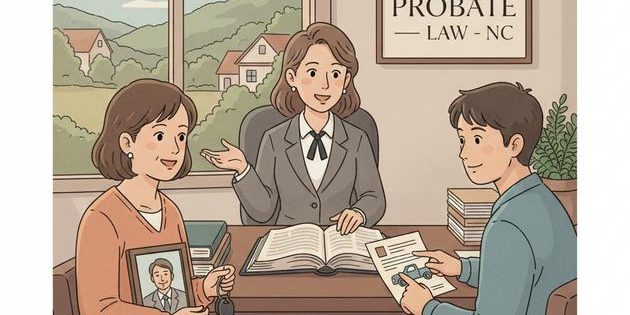
What steps do I take to regain control of an estate asset under my administration? – North Carolina
Short Answer
In North Carolina, an estate administrator generally must take control of estate property so the estate can be inventoried, protected, and distributed. When a co-heir or other third party refuses to return estate property (like a truck), the administrator can file a verified petition with the Clerk of Superior Court asking the clerk to order the property turned over. If the clerk finds the asset belongs to the estate and the person has it, the clerk can order delivery to the estate and enforce that order through civil contempt.
Understanding the Problem
In a North Carolina estate administration, can the administrator require a co-heir to return a specific estate asset that the co-heir borrowed and now refuses to return, so the administrator can complete the administration and close the estate? The decision point is whether a court order is needed to regain possession of the estate property when informal requests have failed. This issue commonly comes up when personal property (such as a vehicle) remains in someone else’s hands and the administrator cannot finish the inventory, accounting, or distribution until the property is returned.
Apply the Law
North Carolina law places the responsibility on the personal representative (executor or administrator) to gather, protect, and manage estate assets during administration. If someone is reasonably believed to be holding estate property, North Carolina provides a probate-court route through the Clerk of Superior Court to examine the person and demand recovery of the property by a verified petition in a contested estate proceeding. This process focuses on getting the property back into the estate’s control; it is not designed to award money damages for the property’s use or for unpaid promises to pay.
Key Requirements
- Authority to act for the estate: The petitioner must have legal authority to act for the estate (typically as the qualified administrator) or otherwise have standing as an “interested person,” depending on the type of proceeding used.
- Reasonable grounds and a verified petition: The filing must be under oath and must explain the reasonable basis to believe the identified property belongs to the estate and is in the respondent’s possession.
- Proof at the hearing: The clerk decides (1) whether the specific property belongs to the estate and (2) whether the respondent has it; if both are proven, the clerk can order recovery/delivery of the property.
What the Statutes Say
- N.C. Gen. Stat. Chapter 28A (Estates and Trusts) – Contains the personal representative’s powers and probate procedures, including tools used to recover estate property.
- N.C. Gen. Stat. § 28A-15-12 (Actions to recover property of decedent) – Authorizes recovery of estate property and allows an estate proceeding before the clerk to examine a person believed to possess estate property and demand recovery.
- N.C. Gen. Stat. § 7A-241 (Probate jurisdiction) – Vests probate and estate administration jurisdiction in the Superior Court Division, exercised by the clerk as judge of probate.
- N.C. Gen. Stat. § 1-301.3 (Appeal of trust and estate matters determined by clerk) – Sets out how appeals from estate matters determined by the clerk are taken and the basic appeal timeline (typically 10 days after entry of the order).
- N.C. Gen. Stat. Chapter 5A (Contempt) – Provides procedures and remedies for civil contempt that may be used to enforce a clerk’s turnover order.
Analysis
Apply the Rule to the Facts: The administrator has a duty to marshal and protect estate assets, and the truck appears to be personal property that should be under the estate’s control during administration. The co-heir’s refusal to return the truck creates a possession problem that can block the inventory/accounting and delay closing the estate. Under North Carolina procedure, the administrator can file a verified petition identifying the truck and explaining why it is estate property and why the co-heir is believed to have it, then ask the Clerk of Superior Court to order its return to the estate.
Process & Timing
- Who files: The estate administrator (personal representative). Where: Clerk of Superior Court (Estates Division) in the county where the estate is being administered. What: A verified petition in a contested estate proceeding seeking examination of the respondent and recovery/turnover of the specific estate property (the truck). When: As soon as it becomes clear the property will not be returned voluntarily, because the estate generally cannot be closed until assets are gathered and accounted for.
- Hearing and proof: The clerk schedules a hearing and the respondent receives notice. At the hearing, the administrator presents evidence that (a) the truck is an estate asset (for example, title records, insurance records, or other ownership proof) and (b) the respondent has possession of it.
- Order and enforcement: If the clerk finds the truck belongs to the estate and is in the respondent’s possession, the clerk enters a written order directing delivery of the truck to the administrator (often with a clear deadline for return). If the respondent still does not comply, the administrator can seek enforcement through civil contempt procedures.
Exceptions & Pitfalls
- Mixing “return the truck” with “pay money”: The clerk’s estate-recovery proceeding focuses on possession/turnover. Claims for money damages (for example, unpaid use, broken promises to pay, or damage to the vehicle) often require a separate civil action in the appropriate court.
- Unclear ownership or non-probate title: If the truck was titled with survivorship rights or otherwise did not become an estate asset, recovery through the estate may fail. Early fact-checking (title, registration, lienholder information) helps avoid filing the wrong type of case.
- Vague petitions: A petition should identify the truck with enough detail (VIN, make/model/year, location if known) and state specific facts supporting the belief that the respondent possesses it. Vague allegations can lead to delays or dismissal.
- Delay and asset protection: While the recovery effort is pending, the administrator should also take reasonable steps to preserve the asset (for example, confirming insurance coverage and documenting the condition), because administrators can face problems if assets are not protected during administration.
Conclusion
In North Carolina, an estate administrator must gather and protect estate assets and generally cannot close the estate until those assets are accounted for. When a co-heir refuses to return an estate vehicle, the administrator can file a verified petition with the Clerk of Superior Court in a contested estate proceeding requesting an order requiring the vehicle’s return. The key next step is to file that verified petition promptly with the clerk in the county where the estate is open.
Talk to a Probate Attorney
If you’re dealing with an estate asset being held by someone who will not return it, our firm has experienced attorneys who can help explain the probate court process, prepare a verified petition, and track deadlines for hearings, enforcement, and appeals. Call us today at (919) 341-7055.
Disclaimer: This article provides general information about North Carolina law based on the single question stated above. It is not legal advice for your specific situation and does not create an attorney-client relationship. Laws, procedures, and local practice can change and may vary by county. If you have a deadline, act promptly and speak with a licensed North Carolina attorney.

