
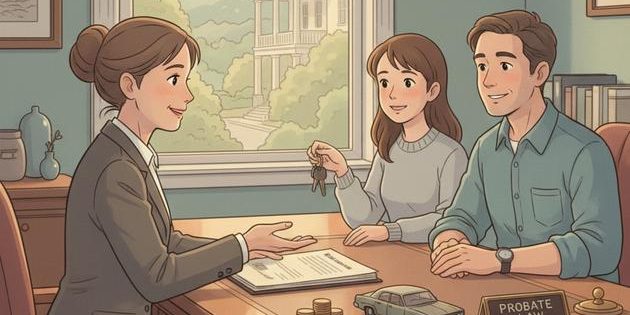
Can I junk vehicles left to an heir, and how should the cash be recorded and distributed? – North Carolina
Short Answer
Under North Carolina probate law, a personal representative may sell or junk a vehicle that was specifically left to an heir if that heir agrees or if doing so is reasonably necessary for administration. The buyer or salvage yard pays the estate, not the heir directly. The proceeds are deposited into the estate account, shown on the accounting as a sale of that heir’s specific bequest, and then distributed to that heir as part of the beneficiary’s share unless the will directs otherwise.
Understanding the Problem
The question is whether, in North Carolina probate, a personal representative can junk one or more vehicles that a will specifically leaves to a particular heir, and if so, how any cash received should appear in the estate accounting and be paid out. The issue sits at the intersection of handling a specific bequest (the vehicles), complying with estate accounting rules, and making proper distributions from the estate account. The core concern is how to treat the vehicles and the resulting cash so the clerk of superior court will accept the accounting and the heir’s rights are respected.
Apply the Law
North Carolina law gives personal representatives authority to collect, safeguard, and dispose of estate assets, including motor vehicles, but also requires that they honor specific gifts under the will unless administration needs or the will’s terms justify a different approach. Motor vehicles often pass by title transfer through the Division of Motor Vehicles (DMV), but they can also be sold or junked as estate property, with the proceeds accounted for and then distributed. Any sale or junk transaction should run through the estate account and appear clearly on the inventory and final account.
Key Requirements
- Authority over the vehicle: The personal representative must have legal authority over the decedent’s vehicle (usually by qualification and Letters from the clerk) and ensure the vehicle is part of the probate estate, not already transferred outside probate.
- Proper disposition and documentation: If the vehicle is sold or junked instead of transferred to the named heir, the transaction should be documented (bill of sale, receipt from salvage yard, title paperwork) and the proceeds deposited into the estate account.
- Correct accounting and distribution: The cash received is listed on the estate inventory and accounting as sale proceeds of that specific bequest, and at distribution it is credited to the heir who was entitled to the vehicle, unless the will or a court order requires a different treatment.
What the Statutes Say
- N.C. Gen. Stat. § 20-77 (Transfer of motor vehicles by inheritance) – Describes how title to a motor vehicle passes at death, and how the DMV transfers title when a vehicle is inherited or otherwise transferred from a decedent’s estate.
- N.C. Gen. Stat. § 1-339.32 (Sales by personal representatives) – Explains that when a personal representative sells property at a court-authorized sale, the receipts and disbursements from that sale are to be included in the next annual or final account.
Analysis
Apply the Rule to the Facts: In the described situation, the estate has vehicles specifically left to a sibling heir. Because the personal representative is administering a full estate, the vehicles are part of the probate assets until legally transferred or sold. If the heir and personal representative agree the vehicles should be junked now (for example, they are in poor condition or not worth insuring), the personal representative can complete the junk/salvage transaction, deposit the check into the estate account, and later show those proceeds on the accounting as sale of that heir’s vehicles. When it is time to distribute, that cash is treated as part or all of that heir’s distribution in place of the physical vehicles.
Process & Timing
- Who files: The personal representative. Where: Clerk of Superior Court, Estates Division, in the North Carolina county where the decedent resided. What: First, qualify and obtain Letters, then file an Inventory (often within 3 months of qualification) listing the vehicles and any sale or junk value if known. When: After qualification and before final accounting, the personal representative may arrange the junk/salvage transaction, ensuring all funds go into the estate account.
- Obtain and keep documentation from the buyer or salvage yard (receipt, statement of payment, any DMV paperwork). Record the deposit into the estate bank account and track it as proceeds from sale of that specific vehicle. This information is then included in the annual or final account filed with the clerk within the required reporting periods (typically an annual account each year and a final account when ready to close).
- When debts, taxes, and claims are resolved, the personal representative prepares a final account that shows: (a) the vehicle on the inventory; (b) the junk or sale proceeds as a receipt; and (c) a distribution entry crediting the net proceeds to the heir who was originally left the vehicle. After the clerk approves the final account, the estate can be closed.
Exceptions & Pitfalls
- If the will prohibits sale or sets special conditions on the vehicle gift, the personal representative may need written consent from the heir or a court order before junking or selling it.
- If estate debts or taxes are large, the vehicles might need to be sold for fair value to help pay those obligations; undervaluing or giving away value can raise issues with creditors or the clerk.
- Allowing the salvage yard to pay the heir directly, or depositing the check into a non-estate account, can create accounting problems and questions about whether the personal representative properly handled estate funds.
- Failing to coordinate title and DMV paperwork (including cancellation or transfer of tags) can lead to future liability or notice issues tied to the decedent’s name or uninsured vehicles.
Conclusion
In North Carolina, a personal representative can junk or otherwise sell vehicles that were specifically left to an heir, as long as the representative has authority, honors the will’s terms, and documents the transaction. The salvage or sale money must be deposited into the estate account, shown as proceeds from that vehicle on the inventory and accounting, and then distributed to the heir as that beneficiary’s share. The key step is to run the entire transaction through the estate and report it in the next required account to the clerk of superior court.
Talk to a Probate Attorney
If an estate involves vehicles left to an heir and questions about junking, selling, and properly accounting for the cash, our firm has experienced probate attorneys who can help clarify the options, forms, and timelines. Call us today at (919) 341-7055.
Disclaimer: This article provides general information about North Carolina law based on the single question stated above. It is not legal advice for your specific situation and does not create an attorney-client relationship. Laws, procedures, and local practice can change and may vary by county. If you have a deadline, act promptly and speak with a licensed North Carolina attorney.

