
What ongoing duties, reports, and accountings will I have after I’m appointed? – North Carolina
Short Answer
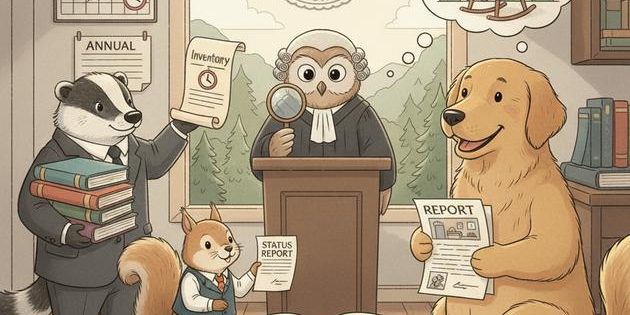
In North Carolina, a guardian’s reporting duties depend on the type of guardianship. A guardian of the estate (and a general guardian) must file an inventory within three months of appointment and submit annual accountings with supporting documents. A guardian of the person (and a general guardian) must file an annual status report about the individual’s well-being. The Clerk of Superior Court oversees compliance and can require corrections, more documents, or hearings.
Understanding the Problem
This question asks: under North Carolina guardianship law, what continuing duties to report and account apply after appointment? The scope includes the actor (guardian), the forum (Clerk of Superior Court), and the core actions: filing an inventory, filing annual financial accounts, and filing annual personal status reports. Timing matters because the initial inventory has a specific deadline and annual filings repeat on a schedule set by the court.
Apply the Law
North Carolina law assigns different ongoing duties depending on whether the court appointed a guardian of the person, a guardian of the estate, or a general guardian. The Clerk of Superior Court in the county of appointment monitors these filings. Key triggers include the date of qualification (for the initial inventory) and the annual cycle set by the clerk (for accountings and status reports).
Key Requirements
- Initial Inventory (estate guardians): File a complete inventory of the ward’s assets within three months of appointment.
- Annual Accounting (estate guardians): File yearly accountings that list all receipts, disbursements, and remaining assets, with receipts/vouchers or other proof.
- Annual Status Report (person guardians): Report annually on the ward’s residence, services, medical and personal care, education/work, and general well-being.
- Records and segregation: Keep detailed records, maintain separate accounts for the ward’s funds, and avoid commingling.
- Bond and updates (estate guardians): Maintain a sufficient bond and notify the clerk if assets change in a way that may require adjusting the bond.
- Final filings at end: When the guardianship ends or a guardian is replaced, submit a final accounting and any required closing reports.
What the Statutes Say
- N.C. Gen. Stat. § 35A-1261 (Inventory within three months) – Requires a guardian of the estate to file an inventory soon after qualification.
- N.C. Gen. Stat. § 35A-1264 (Annual and final accounts) – Requires annual and closing accountings and authorizes clerk review.
- N.C. Gen. Stat. § 35A-1262 (Accounts; form; proof) – Addresses the content of accounts and supporting proof such as vouchers.
- N.C. Gen. Stat. § 35A-1242 (Guardian of the person duties) – Includes the annual status reporting obligation about the ward’s well-being.
Analysis
Apply the Rule to the Facts: After appointment in a North Carolina guardianship, ongoing filings depend on the role. If the appointment includes managing money or property (guardian of the estate or general guardian), the guardian must file an inventory within three months and then file annual accountings with receipts or other proof. If the appointment covers personal care decisions (guardian of the person or general guardian), the guardian must file an annual status report describing the ward’s living situation and care.
Process & Timing
- Who files: The guardian. Where: Clerk of Superior Court in the county where Letters of Guardianship were issued. What: Inventory of the ward’s estate (if applicable), Annual Accounting (if applicable), and Annual Status Report. Use the official forms provided on NCcourts.gov. When: Inventory due within three months of qualification; annual accountings and annual status reports are due once each year on the schedule set by the clerk (often based on the qualification date or an approved accounting period).
- Clerk review: The clerk audits accountings, may request vouchers or other proof, and can require corrections or supplemental filings. Reviews can take several weeks, and timing varies by county caseload.
- Approval and continuing oversight: When the filing is satisfactory, the clerk enters an order approving the accounting or status report and continues oversight in subsequent years. A final accounting is required when the guardianship ends or the guardian is replaced.
Exceptions & Pitfalls
- Failure to file on time can lead to orders to file, show-cause hearings, and potential removal by the clerk.
- Commingling funds or paying expenses in cash without receipts makes it hard to prove transactions; keep separate accounts and retain vouchers or verified proof.
- Unreported changes—like new assets, asset sales, or address changes—can affect bond sufficiency and reporting; promptly update the clerk when circumstances change.
- Incomplete accountings (missing bank statements, ending balances that do not reconcile, or unsigned filings) can delay approval and require amended submissions.
Conclusion
In North Carolina, a guardian of the estate must file an inventory within three months of appointment and submit annual accountings with proof of every receipt and payment. A guardian of the person must file an annual status report on the ward’s well-being. The Clerk of Superior Court audits these filings and may require corrections. The next step is to calendar the three‑month inventory deadline and confirm the clerk’s specific annual reporting dates.
Talk to a Guardianship Attorney
If you’re dealing with ongoing guardianship duties, reports, and accountings, our firm has experienced attorneys who can help you understand your options and timelines. Call us today at [919-341-7055].
Disclaimer: This article provides general information about North Carolina law based on the single question stated above. It is not legal advice for your specific situation and does not create an attorney-client relationship. Laws, procedures, and local practice can change and may vary by county. If you have a deadline, act promptly and speak with a licensed North Carolina attorney.

